
Stress is our body’s reaction to a challenging situation. It can be helpful in the short term. For example, it can help us meet a deadline or avoid danger. We all experience stress sometimes. However, long-term stress can make it harder to reach our goals and can affect our physical or mental health.

We all need ways to manage stress and anxiety, especially at the end of the semester. This blog shares some helpful ways to do that.
Yoga

Yoga with Adriene
Adriene Mishler is an actress, writer, international yoga teacher, and entrepreneur from Austin, Texas. She teaches online to bring yoga into schools and homes around the world. Adriene runs the YouTube channel Yoga with Adriene, which has more than 12 million subscribers. The channel offers free, high-quality yoga and mindfulness videos for people of all ages, shapes, and sizes around the world.
Adriene encourages her students to “do your best, be authentic, and find what feels good.”
It is healthy to notice and accept the emotions we are feeling. The videos below are good examples of this:
Longhorn Yoga
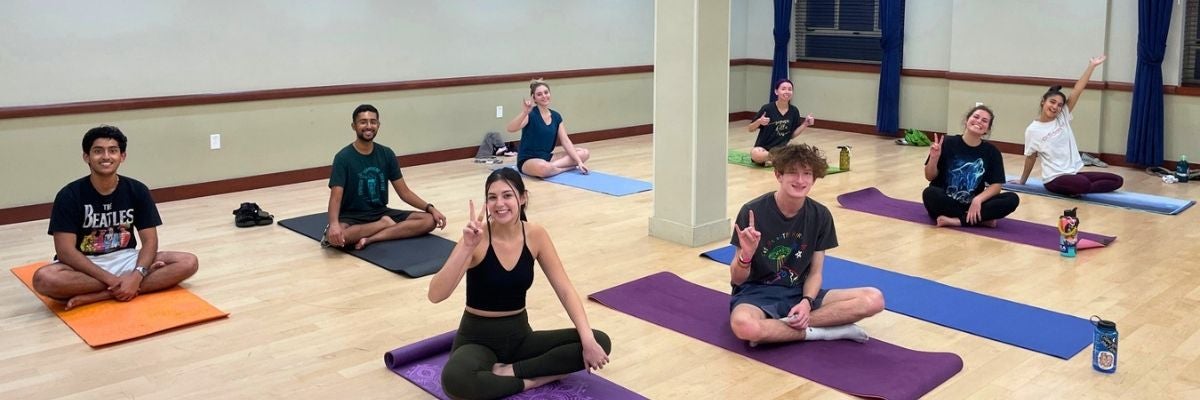
Courtesy of Longhorn Yoga
Longhorn Yoga is a UT student organization that promotes mindfulness and well-being through weekly yoga sessions. Their classes are open to both beginners and experienced students. They have a few extra mats available to use, but they encourage students to bring their own if possible.
There are no dues or fees for Longhorn Yoga. Classes are free and held weekly during the Fall and Spring semesters. You can sign up for their newsletter to stay updated.
Mindfulness & Meditation
Mindfulness means staying fully present mentally. It is about being aware of where we are, what we are doing, and how we are feeling — without judging ourselves. This can be difficult because our minds often wander. Like any skill, mindfulness improves with practice. The more you practice, the easier it becomes.
You can try a short exercise like a 3-minute body scan to build mindfulness.
A common idea is that meditation means emptying your mind, but that is not exactly true. Meditation encourages mindfulness, which is about paying attention to the present moment. Explore this resource to learn more about how to get started with mindfulness and meditation.
Healthyhorns Resources
Healthyhorns is a UT resource that includes University Health Services (UHS), the Counseling and Mental Health Center (CMHC), and the Longhorn Wellness Center. These services support students’ physical, mental, and overall well-being so they can reach their academic and personal goals.

Longhorn Wellness Center
The Longhorn Wellness Center supports student well-being through health programs, workshops, peer education, and campuswide campaigns.
Mindful UT offers programs focused on mindfulness. These include classes, workshops, and training sessions that support mental health.
Adding small mindful moments to your day can help you build a steady routine. You can choose short practices or longer ones based on your schedule. More resources are available online.
Counseling and Mental Health Center
The Counseling and Mental Health Center (CMHC) provides mental health support for UT Austin students. It offers many services to support student wellness and resilience.
Self-Care
Practicing self-care can help you manage the challenges of college life. Self-care includes activities that reduce stress and support your well-being. These strategies are different for everyone, so it is important to find what works for you.
You can schedule time in your week, take short breaks while studying, or build small habits into your daily routine.
MindBody Lounges
MindBody Lounges are quiet spaces on campus where you can relax and explore tools for emotional and physical health.
Each lounge offers:
- Guided relaxation and mindfulness audio (available through QR codes).
- Sensory tools like aromatherapy kits, hand massagers, fidget devices, and weighted blankets.
- A calm space with private pods.
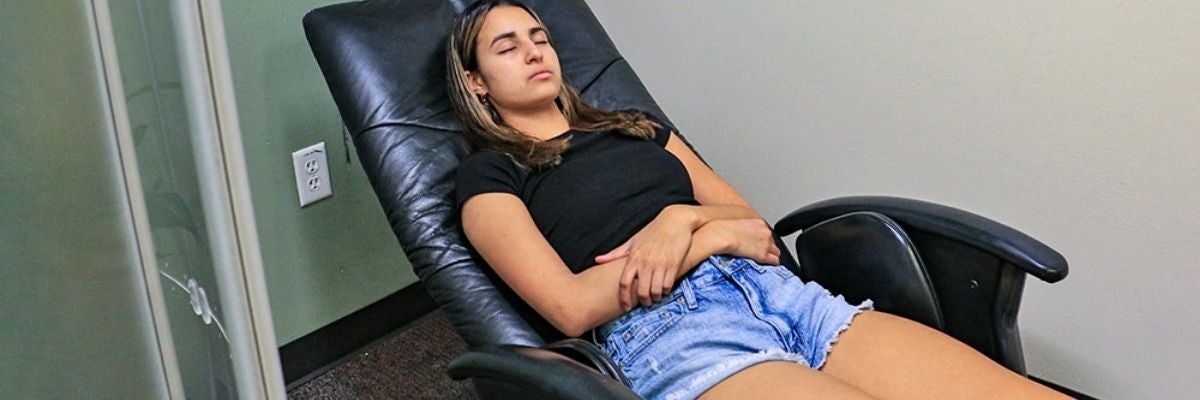
Campus locations for MindBody Lounges include:
- Student Services Building (SSB), 5th floor
Monday – Friday, 8 a.m. – 4 p.m.
Check in at the CMHC reception desk
- William C. Powers, Jr. Student Activity Center (WCP), 2nd floor
Monday – Friday, 9 a.m. – 4 p.m.
Check in at the WCP reception desk
- McCombs Wellness Center (CBA, 3.204)
Monday – Friday, 9 a.m. – 12 p.m. and 1 – 4 p.m.
Check in at the CBA reception desk
Sleep
Many students have trouble sleeping. You can try healthy sleep tips to improve your rest. You can also learn about sleep habits and sleep hygiene online. Healthyhorns Sleep offers resources, education, and programs to help you understand your sleep habits, rest, and napping.
The Study Cycle
Study smart, not just hard.
Plan to study about two to three hours outside of class for each hour you spend in class. Review your lectures and readings, and reinforce your learning by writing, speaking, drawing, or explaining the material in your own words.
You can explore UT’s Sanger Learning Center Resource Library for helpful study tools, including a diagram of the Study Cycle.
Finish the Semester Strong
As the semester ends, remember to take care of yourself. Stress is normal, but you can manage it with small daily habits. Try simple actions like moving your body, taking deep breaths, or resting when needed.
You can also use campus resources for support. Be patient with yourself and take things one step at a time. Your health and well-being are important, and taking care of yourself will help you finish the semester strong.
This blog post was contributed by Jack Taylor, administrative associate of global engagement at the English Language Center.
Leave a Reply