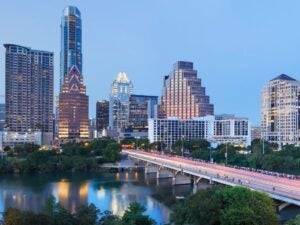
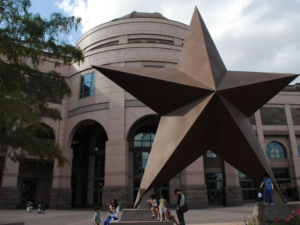
During the summer, students at UT Austin may notice holiday celebrations, community events, and traditions happening across Austin and the United States. Two important holidays during this time are Emancipation Day (Juneteenth) and the Fourth of July.
Although both holidays are celebrated in the United States, they have different histories and meanings. Learning about these holidays can help ELC students better understand American culture, history, and community traditions.

Juneteenth
Juneteenth is celebrated every year on June 19. The holiday honors the end of slavery in the United States.
Although slavery officially ended in 1863 with the Emancipation Proclamation, many enslaved people in Texas did not learn they were free until June 19, 1865. On that day, Union soldiers arrived in Galveston, Texas, and announced that enslaved people were free. The name “Juneteenth” is a combination word that recognizes the many different dates on which people received the news.
Today, Juneteenth recognizes freedom, resilience, history, and community. It became a federal holiday in the United States in 2021. Because the holiday began in Texas, Juneteenth has special meaning throughout the state.

Juneteenth Traditions and Customs
Juneteenth celebrations often focus on education, culture, family, and community gatherings. Many celebrations include parades, live music, cultural performances, educational talks, festivals, and family cookouts.
You may also notice decorations and clothing in red, black, and green, which are important colors in many Black cultural traditions and celebrations. Red foods and drinks are also common during Juneteenth celebrations because the color red is often connected to strength, resilience, and remembrance.
What Students May Notice in Austin
Around Juneteenth, students may see festivals, concerts, markets, and educational events happening across Austin. Museums, libraries, parks, and community organizations often host special programs connected to Black history, culture, and community celebrations.
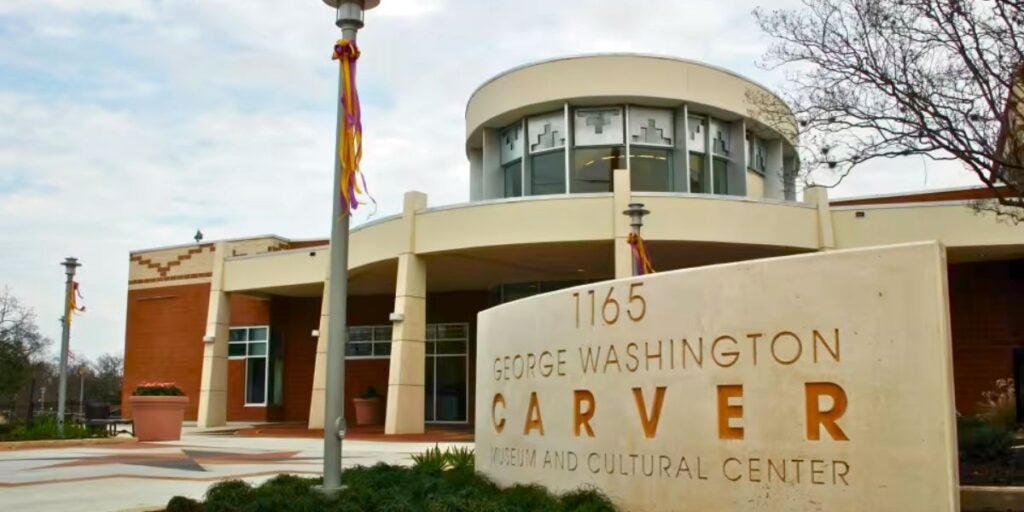
Many people in Austin spend the holiday attending cultural events, supporting Black-owned businesses, visiting museums like the Carver Museum, or learning more about the area’s African American history.
One of the largest local events is Austin’s annual Juneteenth Celebration and Parade. The parade usually takes place in East Austin during the morning and includes community groups, performances, music, and local organizations. Afternoon and evening activities often include food vendors, market booths, children’s activities, live music performances, and fireworks at night.
Some businesses and University offices may also close or operate with reduced hours during the holiday. UT Austin is closed in observance of Juneteenth, so classes and many campus activities will not take place that day.
The Fourth of July
The Fourth of July, also called Independence Day, is celebrated in the United States every year on July 4. The holiday marks the signing of the Declaration of Independence in 1776, when the U.S. declared independence from Great Britain.
The Fourth of July is one of the most widely celebrated holidays in the U.S. Many people spend the day with friends and family at outdoor gatherings and public events.

Fourth of July Traditions and Customs
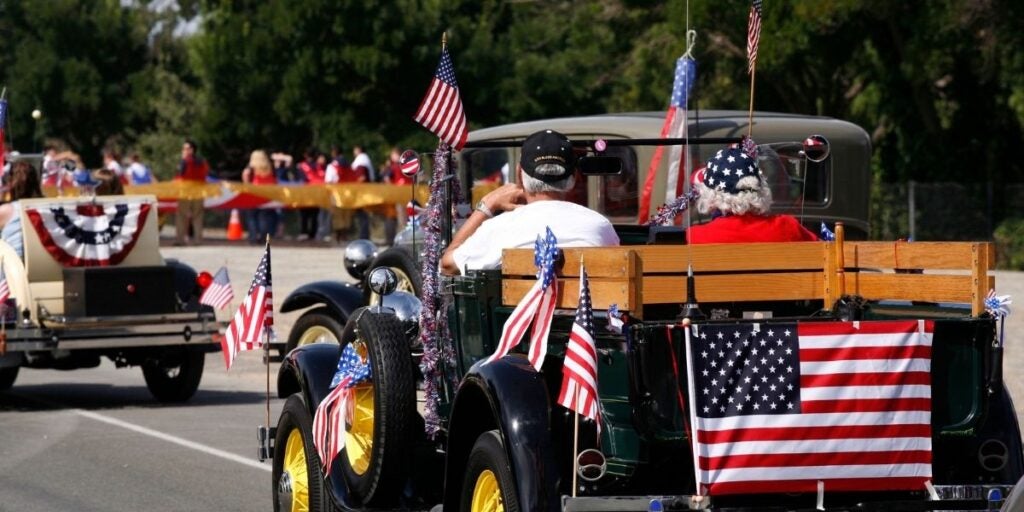
Many Fourth of July celebrations focus on patriotism, community gatherings, and outdoor activities. Common traditions include fireworks, parades, concerts, barbecues, picnics, and swimming. Many people wear clothing that is red, white, and blue, the colors of the U.S. flag.
Fireworks are one of the most recognizable parts of the holiday. Cities across the country organize large public fireworks displays after sunset, and many families gather outside to watch them together.
Food is also an important part of the celebration. Many people cook outdoors and eat foods such as hamburgers, hot dogs, grilled meats, watermelon, and ice cream.

What Students May Notice in Austin
During Fourth of July celebrations, Austin hosts many public events, concerts, fireworks shows, and outdoor gatherings. One of the city’s largest celebrations is Star Spangled Fest at Auditorium Shores and the Long Center, which includes live music from the Austin Symphony and a fireworks show over Lady Bird Lake.
Students may also view fireworks from parks, bridges, rooftop spaces, and areas near Lady Bird Lake. Popular viewing locations often include Zilker Park, Auditorium Shores, and the Congress Avenue Bridge area.
Because many people spend the holiday outdoors, parks, lakes, swimming areas, and restaurants may become especially crowded during the holiday weekend. Barbecues, live music, kayaking, hiking, and outdoor gatherings are also common activities in Austin during this time.
Students may notice many American flags, patriotic decorations, and increased travel during the holiday weekend. Some businesses, offices, and restaurants may also operate with different holiday hours. UT Austin is closed in observance of Independence Day, so classes and many campus activities will not take place that day.
Because fireworks are common during this holiday, students may hear loud noises throughout the evening and night.
Experiencing U.S. Holidays at UT Austin
Participating in local events can help students practice English, meet new people, and learn more about life in the United States. Even small experiences, such as attending a community event or watching fireworks with friends, can help students better understand and enjoy local culture and traditions.
Holidays like Juneteenth and the Fourth of July reflect different parts of American history and community life. Learning about these celebrations can help students feel more connected to the culture around them during their time at the English Language Center.
This blog post was contributed by Jack Taylor, administrative associate of global engagement at Texas Global’s English Language Center.