Moving to a new country also means learning how to take care of your health in a new system. In the United States, health care can be expensive, so it is important to understand how your student health insurance works before you need medical care.
Your UT student health insurance can help cover doctor visits, medicine, emergencies, and more. Learning where to go for care and how to use your insurance card will help you feel more comfortable and prepared during your time at the English Language Center.

What is student health insurance?
Health insurance helps pay for medical care. Instead of paying the full cost yourself, your insurance company pays part of the bill. You usually only pay a smaller amount for the services you receive.
The AcademicBlue UT Student Health Insurance Plan is provided through the Academic HealthPlans (AHP).
Understanding Insurance Terms
Health insurance vocabulary can be confusing at first. If you see words you do not understand, these glossaries can help explain common terms:

Your Insurance ID Card
Your insurance ID card is very important. Always keep it with you or save a digital copy on your phone. You will need to show the card when you visit a doctor, hospital, clinic, or pharmacy.
Your insurance card helps medical offices:
- Confirm that you have insurance.
- Understand which services are covered.
- Send part of the bill to the insurance company.
After insurance is used, you may still need to pay a small part of the cost yourself.
How to Access Your Insurance Card
You can find your insurance information online by entering your UT EID and date of birth on the Academic Health Plan login page.
There are several ways to access your insurance card:
Digital Card
Log into Blue Access for Members (BAM) to view or download a digital insurance card right away.
Physical Card
You can also request a physical card through BAM. It usually arrives in about two weeks.
Mobile App
Download the BCBSTX app to save your card to your phone’s mobile wallet for easy access anytime.

Where should you go for medical care?
Different health problems require different types of care. Knowing where to go can save you time, money, and stress.
Nurse Advice Lines
If you are not sure whether you should see a doctor, call a nurse advice line first. Nurses are available 24 hours a day to answer questions and help you decide what to do next.
Helpful nurse lines:
- HealthyHorns Nurse Line: (512) 475-6877
- Blue Cross Blue Shield Nurse Line: phone number on the back of your insurance card
You can also visit the HealthyHorns website for emergency care information.

University Health Services (UHS)
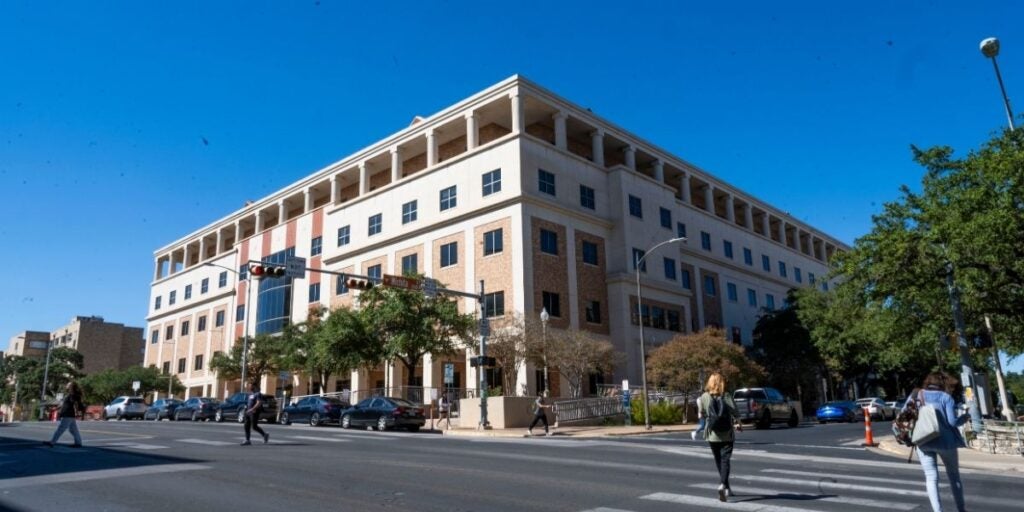
University Health Services (UHS) runs the main health clinic on campus for UT students. It is located in the Student Services Building at 100 West Dean Keeton St.
Before scheduling an appointment, ELC students must call UHS and identify themselves as ELC students. The UHS staff can create an electronic medical record before scheduling care.
Phone: (512) 471-4955
Hours: Monday-Friday, 8 a.m.-5 p.m.
When calling, students should be prepared to provide their UT EID and let the staff know they are enrolled in the English Language Center (ELC).
UHS offers many health services, including:
- Routine medical care
- Primary care
- Women’s health services
- Allergy treatment and immunizations
- Laboratory services
- Physical therapy
For many students, UHS is one of the easiest and lowest-cost healthcare options available on campus.
Urgent Care Clinics
Urgent care clinics are for health problems that need quick treatment but are not life-threatening.
Examples include:
- Fever
- Flu symptoms
- Vomiting
- Diarrhea
- Sprains
- Cuts
- A cough that is getting worse
For guidance on where to seek treatment for urgent medical care, visit the UHS Medical Emergencies website.
University Health Services Primary Care
ELC students should call UHS in advance for Primary Care appointments and identify themselves as ELC students so staff can create their electronic medical record before scheduling care.
Location: Student Services Building
Phone: (512) 471-4955
Appointments: ELC students are required to call first.
Cost: $ (low)
Hours: Monday-Friday, 8 a.m.-5 p.m.
CareNow Urgent Care
Location: 3906 North Lamar Blvd., Suite 100
Phone: (512) 861-8040
Appointments: no appointment needed.
Cost: $$ (medium)
Hours:
- Monday-Friday: 8 a.m.-8 p.m.
- Saturday: 8 a.m.-7 p.m.
- Sunday: 8 a.m.-5 p.m.
Urgent care is usually more expensive than UHS but less expensive than the emergency room.
Emergency Rooms (ER)
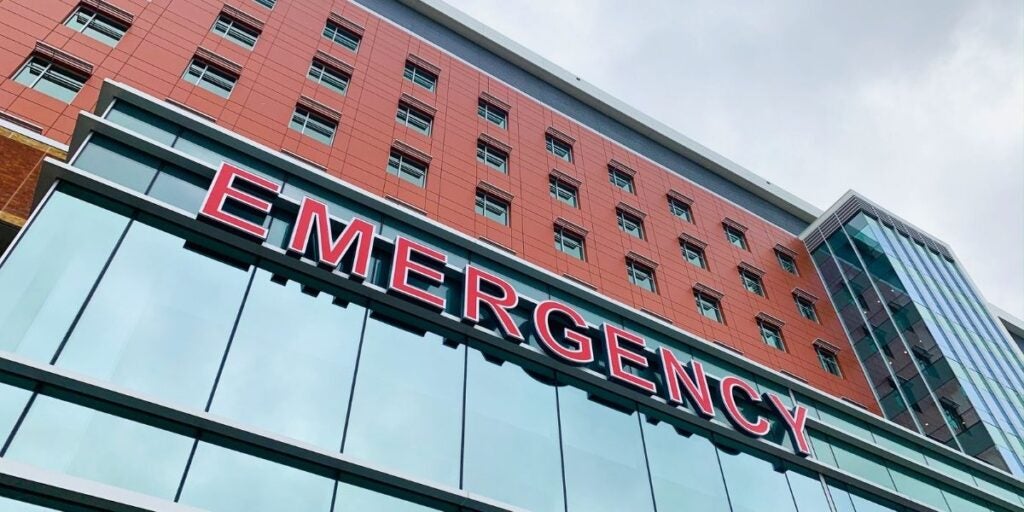
Go to the emergency room only for serious or life-threatening emergencies.
Call 9-1-1 if someone:
- Has severe chest pain
- Cannot breathe
- Has a serious injury
- Experiences paralysis
- Is in extreme pain
Emergency rooms are open 24 hours a day and can treat severe medical emergencies. However, ER visits and ambulance rides can be very expensive.
Hospitals with emergency rooms in the Austin area include:

Learning how the U.S. healthcare system works takes time, and it is normal to feel confused at first. The good news is that UT offers many resources to help students stay healthy and safe.
Keep your insurance card with you, ask questions when you are unsure, and remember that help is available when you need it. Understanding your health insurance now will help you feel more confident and prepared during your time at the English Language Center.
This blog post was contributed by Jack Taylor, administrative associate of global engagement at the English Language Center.