
The Counseling and Mental Health Center (CMHC) at The University of Texas at Austin supports students’ mental and emotional well-being. CMHC helps students succeed in school and daily life. Many services are available to help students manage stress, handle challenges, respond to crises, and build healthy habits.

General Resources at CMHC
CMHC offers different types of support based on student needs. Some services focus on talking with a mental health professional. Othes provide tools to help students care for their well-being and manage stress.
Privacy and Confidentiality
CMHC services are private and confidential. Information shared with counselors is not shared with professors, family members, or other students.
Use of CMHC services does not affect grades, academic records, or immigration status. Students can ask questions and seek help without fear or concern of exposure or reprisal.
Clinical Services
CMHC’s clinical services include short-term individual counseling. Students meet one-on-one with a counselor during these sessions. Group counseling is also available. Group counseling allows students to share experiences in a supportive setting.
CMHC also offers psychiatric services and medication management. Specialized services include Counselors in Academic Residence (CARE), the Mindful Eating Team, the Substance Use Support Team, and Voices Against Violence.
Students can receive support in person or online. TimelyCare provides 24/7 mental health support for UT students.
Well-being Resources
UT Austin offers many well-being resources in addition to clinical care. These resources help students manage stress and build healthy routines. Available programs include the Longhorn Wellness Center, the Thrive at UT app, MindBody Lounges and the Longhorn SHARE Project, which offers peer-led support.
These resources help students feel supported, stay healthy, and succeed during their time at UT. This blog highlights some key well-being services and resources available to students.

Suicide Prevention
Suicide is one of the leading causes of death among college students. Immediate help is available 24/7 for students who need support.
- CMHC Crisis Line: 512-471-2255
Students can call this number at any time to speak with a CMHC crisis counselor. Visit https://healthyhorns.utexas.edu/cmhc/crisis.html for more information. - National Suicide & Crisis Lifeline: 988
Students in crisis can dial 988 to connect with trained counselors across the United States. Visit https://988lifeline.org for more information.
Mental Health Promotion and Suicide Prevention Program
The Mental Health Promotion and Suicide Prevention Program at UT Austin provides education and training for the campus community. The program teaches suicide warning signs and explains how to support someone who may be struggling. Opportunities are also available for students who may want to get involved in prevention efforts.
Suicide warning signs are behaviors that may show someone is thinking about suicide. Recognition of these signs is an important first step in helping a friend or classmate. Immediate support may be needed when multiple warning signs are present.
Learn more about warning signs and how to respond at https://www.healthyhorns.utexas.edu/suicide-warnings.html.
Crisis Resources for Students
CMHC provides guidance for many other crisis situations. Online resources are available for concerns such as academic distress, trauma, and loss. These resources help students find support during difficult moments.

BeVocal: UT’s Bystander Intervention Program
BeVocal is a campus wide program that helps Longhorns prevent harm. The program teaches students how to recognize unsafe or concerning situations and take action.
Bystander intervention includes three steps:
- Recognizing potential harm.
- Choosing to respond.
- Taking action.
BeVocal helps students use these steps in everyday situations to support themselves and others. Learn more at https://healthyhorns.utexas.edu/lwc/bevocal.html.

MindBody Lounges
MindBody Lounges are self-guided spaces that support emotional and physical well-being. These spaces offer audio and video tools focused on skill building and relaxation.
Topics include:
- Breathing exercises
- Progressive muscle relaxation
- Meditation and guided imagery
- Relaxation sounds
- Sleep support
- Food and eating concerns
- Overall health and well-being
Biofeedback tools, including RESPeRATE and Galvanic Skin Resistance 2 (GSR2), are available at select locations. According to the Cleveland Clinic, biofeedback is a mind-body therapy that uses sensors to help individuals learn how to control certain bodily functions, such as heart rate or muscle tension, to improve physical and mental health.
Students also can try guided exercises online, including deep breathing, relaxation and meditation practices:
Campus Locations
MindBody Lounges are available in several campus buildings. Students can choose the location that works best for their schedule.
- Student Services Building (SSB), 5th Floor
Monday–Friday, 8 a.m.–4:30 p.m.
Students should check in at the CMHC reception desk.
See on Google Maps - William C. Powers Jr. Student Activity Center (WCP), 2nd Floor
Monday–Friday, 7 a.m.–8 p.m., Saturday, 10 a.m.–8 p.m., and Sunday, noon–8 p.m.
Students should check in at the hospitality desk on the first floor.
See on Google Maps - McCombs Wellness Center (CBA 3.204)
Monday–Friday, 8 a.m.–5 p.m.
Students should check in at the front desk to access mindfulness tools.
See on Google Maps
Healthyhorns
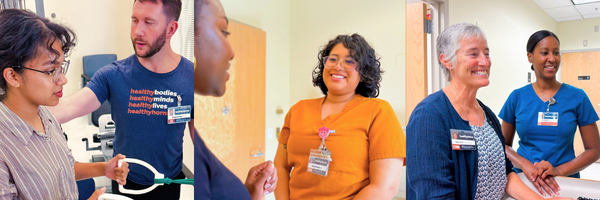
CMHC is part of healthyhorns, a campuswide network focused on student health and well-being. Healthyhorns also includes University Health Services and the Longhorn Wellness Center.
Healthyhorns offers health education, wellness programs, and reliable information. Students can use the online healthyhorns resource hub to learn about important health topics. Information is written by healthcare providers and wellness professionals at UT.
Mental health care is an important part of success at UT Austin. Support is available for stress management, personal challenges, and helping others. CMHC and healthyhorns offer resources to support students throughout their college experience.
This blog post was contributed by Jack Taylor, administrative associate of global engagement at the English Language Center.